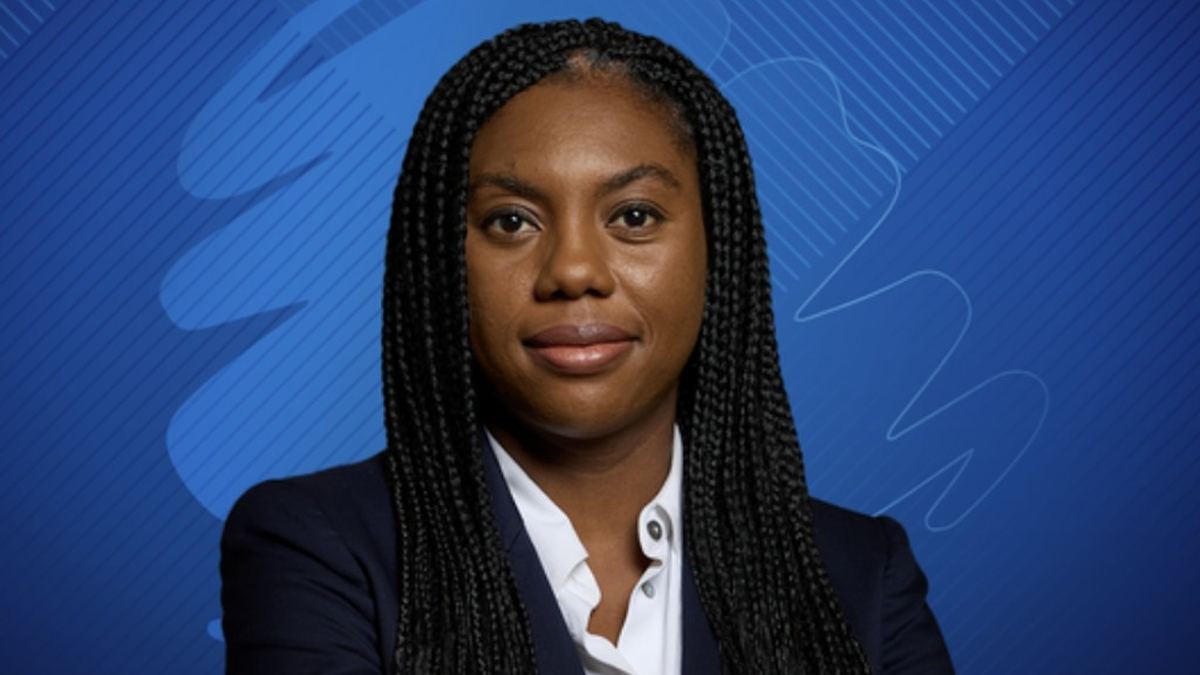
Edo education commissioner faults Badenoch on slavery reparations
The Edo State Commissioner for Education, Washington Osifo, criticised UK Conservative Party leader Kemi Badenoch for opposing a British apology for the transatlantic slave trade and for rejecting calls for reparations. Osifo accused Badenoch of distorting history by treating African kingdoms and merchants as equally responsible as European powers that built and ran the slave trade system. He presented his views in a paper dated 10 November titled The Victim Who Is Asked to Apologise to Her Rapist: A Critique of Kemi Badenoch’s Doctrine on Slavery, History and Moral Inversion. Badenoch had said slavery involved many participants across continents and that modern British taxpayers should not pay for actions from generations ago.
Background: Badenoch argued that Caribbean countries seeking an apology from Britain should also ask for one from descendants of African kingdoms, rulers and merchants who captured and sold people into slavery. She pointed to Britain’s later role in ending the transatlantic slave trade as further reason against apology or compensation.
Pidgin: Edo State Commissioner for Education, Washington Osifo, don criticise UK Conservative Party leader Kemi Badenoch for opposing say Britain go formally apologise for their role for transatlantic slave trade and say dem no go pay reparations. Osifo accuse Badenoch say she dey distort history by putting African kingdoms and merchants for same level with European powers wey create and maintain the slave trade system. He write am inside one paper wey dem date 10 November wey im title be The Victim Who Is Asked to Apologise to Her Rapist: A Critique of Kemi Badenoch’s Doctrine on Slavery, History and Moral Inversion.
How this affects you: Ordinary Nigerians who study history or follow debates on colonial wrongs now see public pushback from a state government official against foreign views that spread shared blame for slavery. Teachers and students in Edo may encounter this critique in education settings as it questions how the past is presented. It highlights ongoing arguments about who carries responsibility for historical injustices that still affect views on reparations and national apologies.
Share on WhatsAppJoin the debate
No comments yet. Be the first.